Storewide Savings from 30-60% off! PLUS save hundreds of ADDITIONAL dollars on hundreds of items with special in-store markdowns!

Strategies for Arranging Furniture in an Open-Concept Living Space

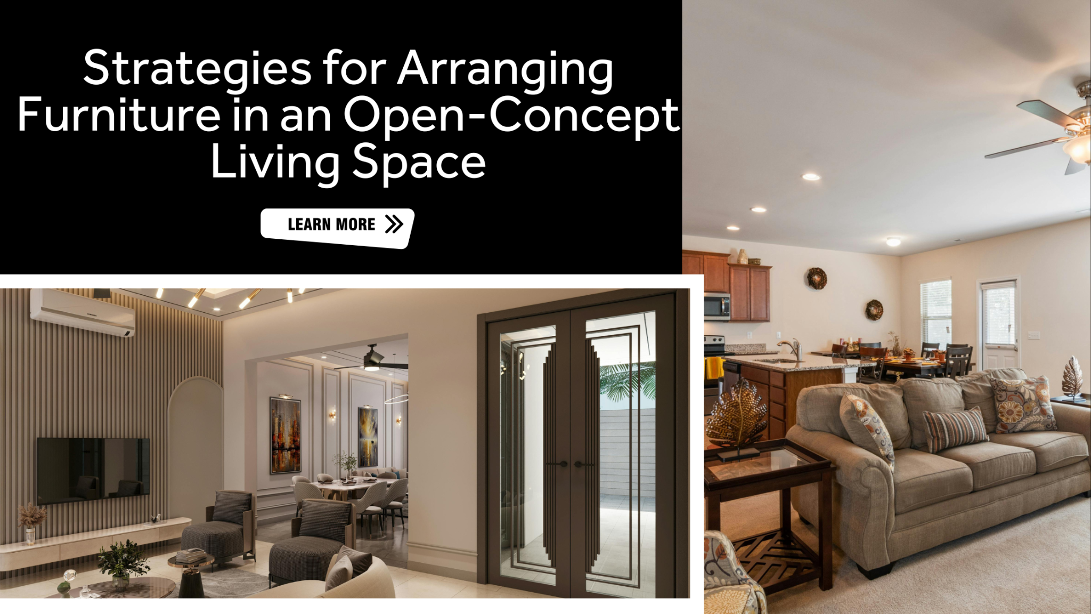
- Strategic furniture placement and area rugs create distinct functional zones without sacrificing the expansive feel of an open-concept floor plan.
- Floating key furniture pieces away from walls preserves natural light and ensures daily walkways remain clear and intuitive for easy movement.
- Varying furniture heights and incorporating soft textures help eliminate visual monotony while dampening common acoustic echoes in large rooms.
- Rugs as Boundaries: Use area rugs that are large enough to fit all furniture legs on the surface; this creates a psychological “base” for the zone.
- Focal Points: Align each zone toward a specific feature, such as a fireplace, a large window, or a media center, to give the eye a place to rest.
- Lighting Layers: Use distinct light fixtures, like a pendant over the dining table and floor lamps by the sofa, to define the “ceiling” of each zone.
- Swivel Chairs: These allow you to transition your attention between the kitchen and the living room effortlessly.
- Console Tables: Placing a slim table behind a floating sofa provides storage and a visual transition point without taking up much floor space.
- Ottomans and Benches: Use these as flexible seating that can move between zones depending on the number of guests you are hosting.
- Position upholstered pieces like fabric-backed benches or heavy drapery between the kitchen and the living area to absorb echo.
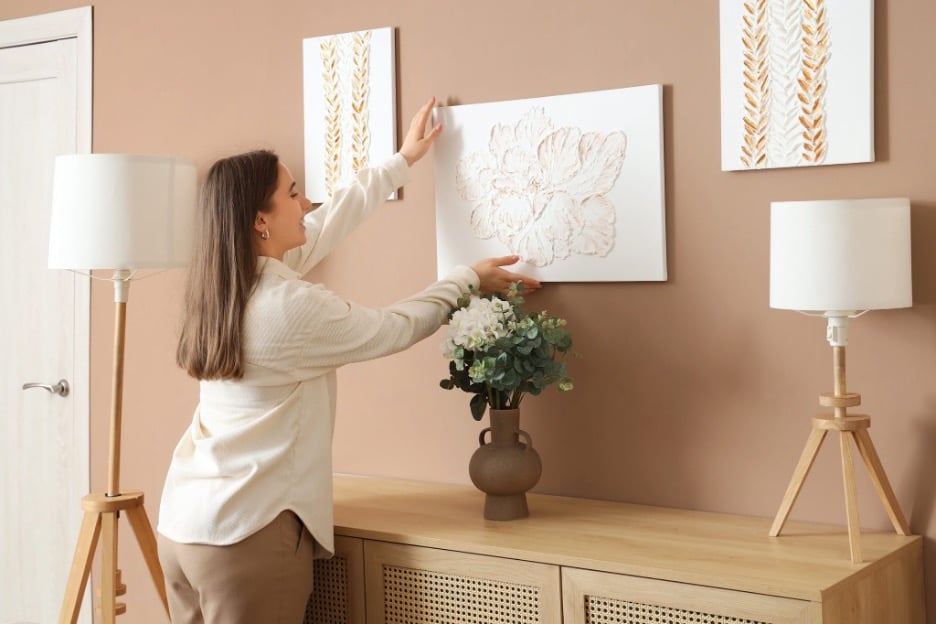
- Utilize acoustic panels disguised as art or textured tapestries on the largest shared wall.
- Incorporate high-pile rugs and velvet upholstery to dampen the “hollow” sound characteristic of large, wall-less rooms.
Open-concept living spaces are designed to feel expansive, bright, and flexible. By removing walls, your home gains natural light and a sense of flow. But it also introduces a common challenge of how to organize furniture without losing structure or purpose. Without thoughtful planning, open layouts can feel cluttered, undefined, or awkward to navigate.
Essential Principles for Open Concept Layouts
To master the open floor plan, one must prioritize flow and function. The following principles serve as a roadmap for creating a balanced and intentional home environment.
Defining Zones in Open-Concept Homes
Instead of treating the space as one large room, you create distinct functional areas using furniture placement, textures, and lighting. Each zone should feel visually complete on its own while still flowing seamlessly into the next.
Clear zoning improves daily usability. You instinctively know where to sit, dine, or walk without needing physical barriers. This approach also prevents the space from feeling unfinished or overly sparse.
Establish Anchor Points
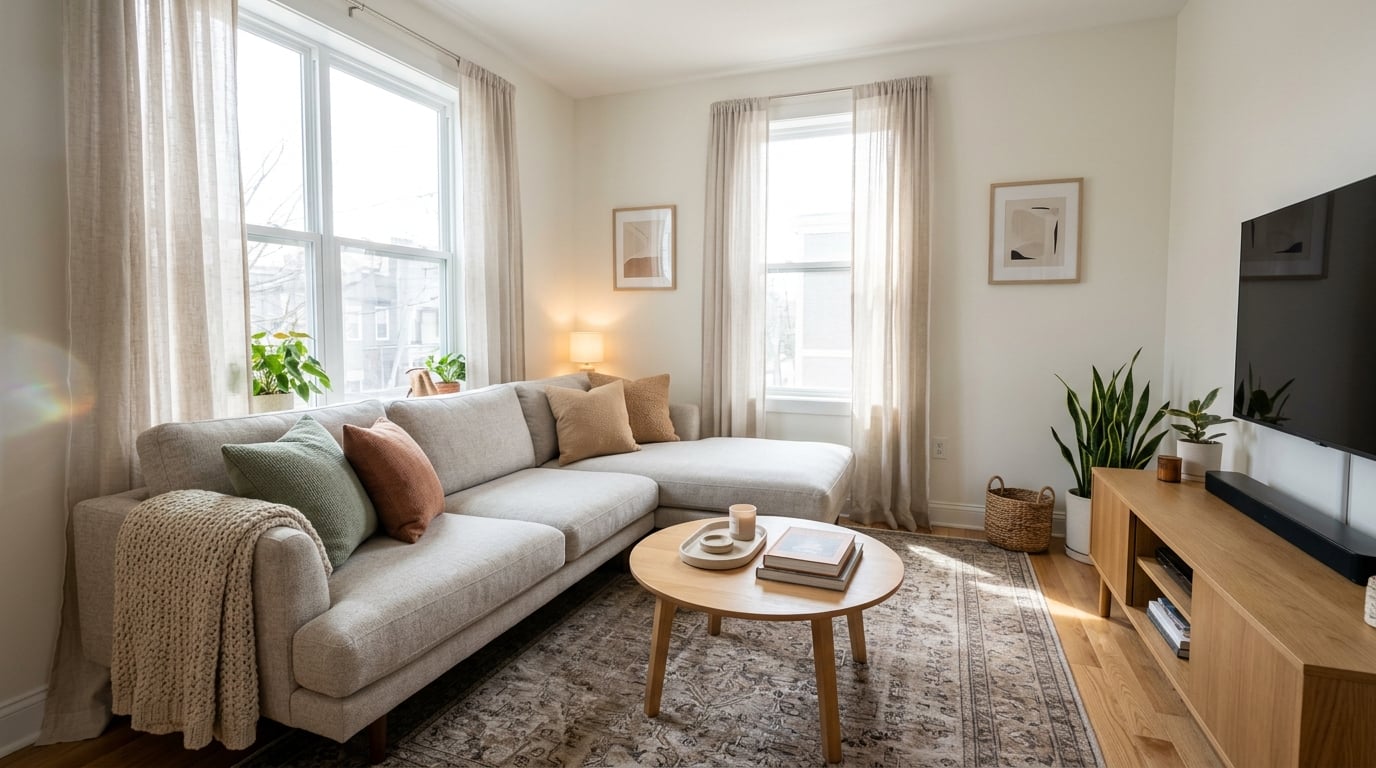
When you anchor your furniture correctly, you provide a sense of security and order. Without these anchors, the space feels transient, like a lobby rather than a home. For example, a large sectional sofa acts as a soft wall, physically and visually cordoning off the lounging area from the dining space.
Float Furniture to Improve Flow
One of the biggest mistakes in open-concept spaces is ignoring natural walkways. Paths from the entry to the kitchen, and from seating to bathrooms, should stay clear and intuitive. Instead of lining furniture against walls, float key pieces like sofas to create natural corridors behind them. This keeps movement out of conversation zones and preserves clear sightlines to the TV.
Allow 30–36 inches for main walkways and enough space to comfortably pull out dining chairs. When flow is prioritized, the room feels effortless to move through, with no obstacles, no second-guessing.
Multi-Functional and Low-Profile Pieces
In open spaces, sightlines matter, and multi-purpose furniture keeps the layout clean, functional, and visually open.
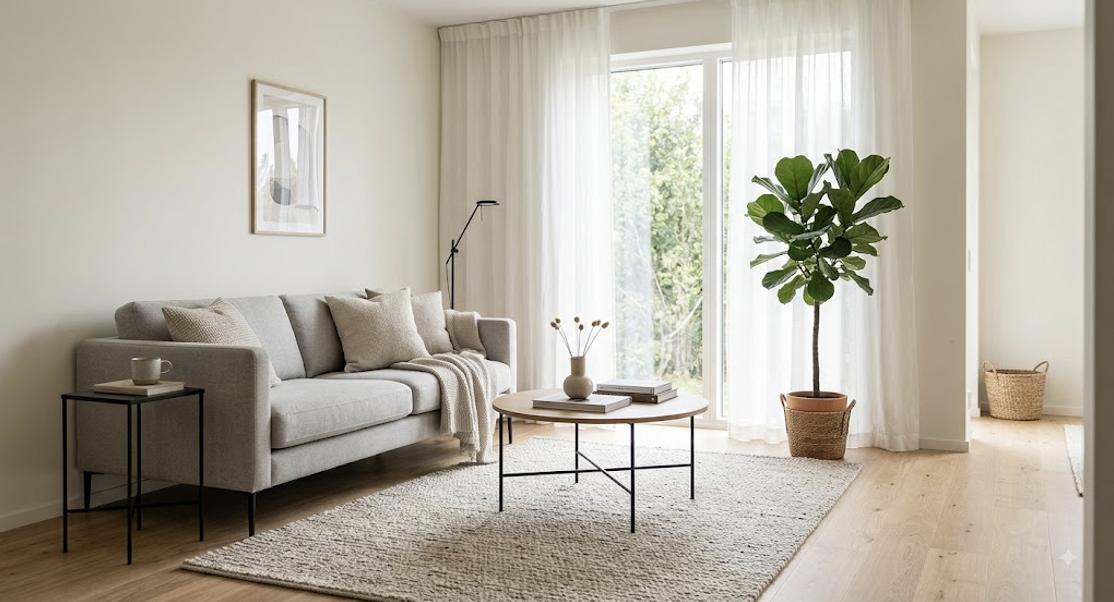
Go for furniture that can keep the room feeling open while still working hard for everyday use. Low-profile pieces help maintain visual flow, while oversized or high-back furniture can block light and make the space feel cramped.
Maintain Visual Consistency Across Zones
While each zone serves a different function, the entire open area should feel connected. This is achieved through a consistent visual language like repeating colors, finishes, and materials across zones.
Consistency does not mean everything matches. Instead, coordinated elements such as similar wood tones, complementary fabrics, or repeated metal accents create harmony while allowing each area to retain its own identity.
Use the Scale of Three
In an open-concept room, the greatest risk is a “flat” landscape where all furniture sits at the same horizontal level. You should apply a tiered approach to height by ensuring each zone contains elements at three different levels: the floor level (rugs and low ottomans), the eye level (sofas and dining tables), and the overhead level (pendant lighting or tall greenery).
This vertical variation prevents the eye from scanning the room in a single, monotonous line, which makes the space feel more dynamic and architecturally intentional.
Create Acoustic Buffers
Open floor plans are infamous for having poor acoustics, with sound reverberating off hard surfaces from the kitchen or television. You can use your furniture arrangement to manage sound travel by strategically placing “soft” zones between high-activity areas.
Optimize Sightlines for Multi-Point Engagement
An advanced layout considers what you see from every seat in the house, not just the primary sofa. You should arrange furniture so that sightlines are preserved across the entire floor plan while maintaining a sense of enclosure within specific zones.
This is achieved by using transparent furniture, such as chairs with open frames, glass-topped coffee tables, or slatted room dividers. These pieces allow you to perceive the full depth of your home from a seated position, which psychologically expands the room’s footprint without sacrificing the feeling of a cozy, defined nook.
Buffer Zone
The space between your furniture groupings is just as important as the groupings themselves. You should designate specific “negative spaces” that act as sensory transition points. Instead of filling every corner with decor, leave small areas of the floor plan entirely empty.
This provides a visual palate cleanser that allows the eye to reset as you move from a high-energy kitchen zone to a low-energy relaxation zone. A well-placed buffer zone prevents the “furniture showroom” effect and ensures the home feels curated rather than crowded.
Avoid Layout Choices That Disrupt Light and Flow
When scale and placement are off, even well-designed pieces can make the room feel disconnected or underwhelming. Avoid these common missteps to keep the space cohesive and comfortable.
Choosing Furniture That’s Too Small
Small-scale furniture tends to float in large rooms, breaking visual balance and making the layout feel temporary. Opting for fewer, properly scaled pieces helps define zones, anchor the room, and create a sense of purpose without overcrowding.
Blocking Light and Movement
Tall backs, bulky shelving, or oversized pieces placed in the middle of a room can interrupt sightlines, block natural light, and restrict movement. In open spaces, low-profile furniture preserves airflow, keeps pathways clear, and maintains the open, airy feel the layout is meant to offer.
Ignoring What’s Visible from All Angles
In open-plan rooms, furniture is rarely against a wall. The back of a sofa or sectional becomes part of the design. Unfinished backs or empty space behind floating furniture can make the room feel unresolved. Adding a console table, bench, or intentional styling element helps the space feel complete from every viewpoint.
A Step-by-Step Process for Implementing Your Layout
A successful open layout is not static. It improves through observation, small refinements, and alignment with how you actually live in the space. A structured approach prevents the room from feeling oversized, disjointed, or under-furnished while ensuring each zone functions comfortably. You can:
Identify Natural Circulation Paths
Start by observing how people move through the space daily, like entry to the kitchen, the living area to the hallway, the dining area to the patio. These routes should remain clear and intuitive. Furniture placed in these paths disrupts flow and makes even large rooms feel cramped.
Establish the Primary Living Zone
Choose the area that anchors daily life, most often the seating area. Place the largest furniture piece first, such as a sofa or sectional, and orient it toward a focal point like a media wall, fireplace, or view. This sets the room’s scale and creates a visual center that everything else can reference.
Define Secondary Zones with Purpose
Once the main zone is set, layer in dining, work, or reading areas. Each zone should have a clear function and enough breathing room to operate independently. A minimum of three feet between zones helps maintain openness while preventing overlap or visual clutter.
Use Rugs to Create Boundaries
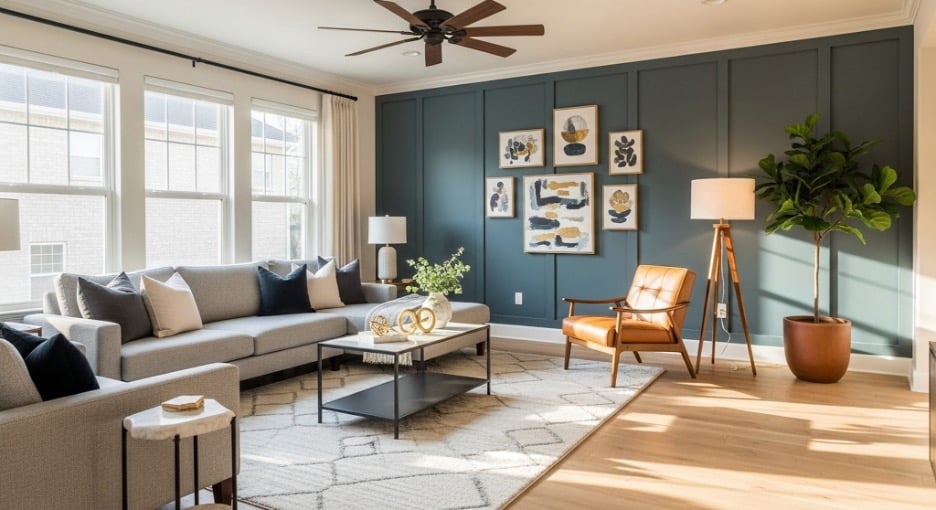
Area rugs play a critical role in open spaces. They anchor furniture, visually separate zones, and prevent the room from feeling scattered. Rugs should be large enough to hold key furniture pieces rather than floating beneath them, reinforcing a sense of structure.
Introduce Vertical Structure
If the room feels too open or undefined, add subtle vertical elements. Low shelving, console tables, tall plants, or architectural lighting can suggest separation without blocking sightlines or natural light. These elements help the space feel layered rather than flat.
Balance Light, Color, and Texture
Each zone should have its own lighting source suited to its function, ideally with dimming capability. Maintain visual cohesion by distributing color and texture evenly throughout the room instead of concentrating them in one area. This keeps the layout unified even as functions change.
Live with the Layout and Adjust
Spend time using each zone as intended. Notice whether surfaces are within reach, lighting feels adequate, and seating feels exposed or isolated. Minor adjustments such as moving a chair slightly, repositioning a lamp, or widening a walkway often make a major difference in comfort and usability.
Creating a functional and stylish open-concept living space is a high-consideration project that requires the right pieces and a smart strategy. If you are ready to find furniture that fits your lifestyle and enhances your home’s flow, we invite you to consult with the experts.
Whether you’re starting fresh or updating what you have, choosing well-scaled, quality furniture that works with your home’s light will keep your space comfortable and functional for years.